
A paragraph that says a block “feels like” a neighbourhood is empty unless a public study names the block and the features. Character on paper comes from designation reports and planning studies—not from mood language in a caption.
Write the character claim only after a document names the place, the period, and the features. The National Park Service rehabilitation standards treat character as something a property already has: materials, features, and spaces that should be retained. Standard 1 ties a new use to minimal change in those defining characteristics. Standard 2 says removal of characterizing materials shall be avoided. Standard 3 warns against a false sense of historical development.
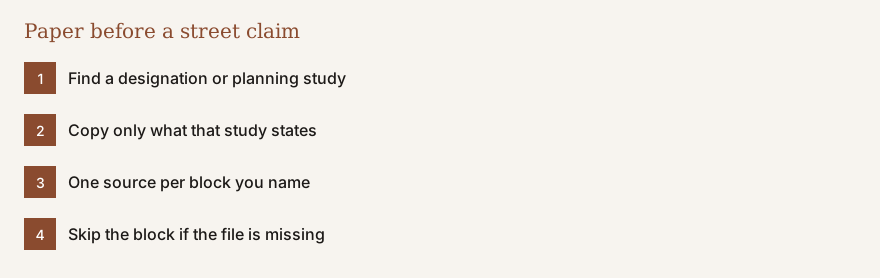
What a usable study usually lets you copy
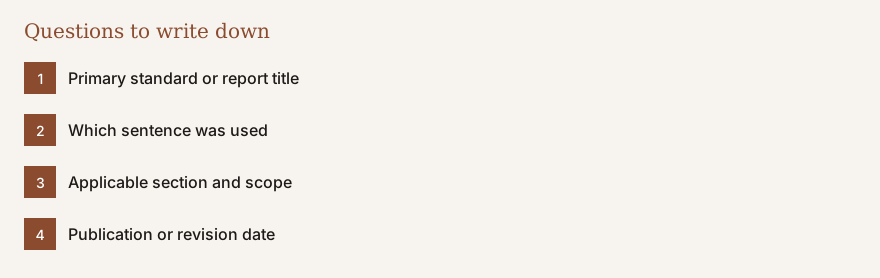
A designation report or a planning study often states a period of construction, the materials of the fronts, and whether the shop rhythm is part of the district. Copy those sentences with the report’s title and the day you consulted it. Do not add a baker, a tailor, or a closing date that the report does not contain. Do not swap one neighbourhood’s facts onto another block to fill a list.
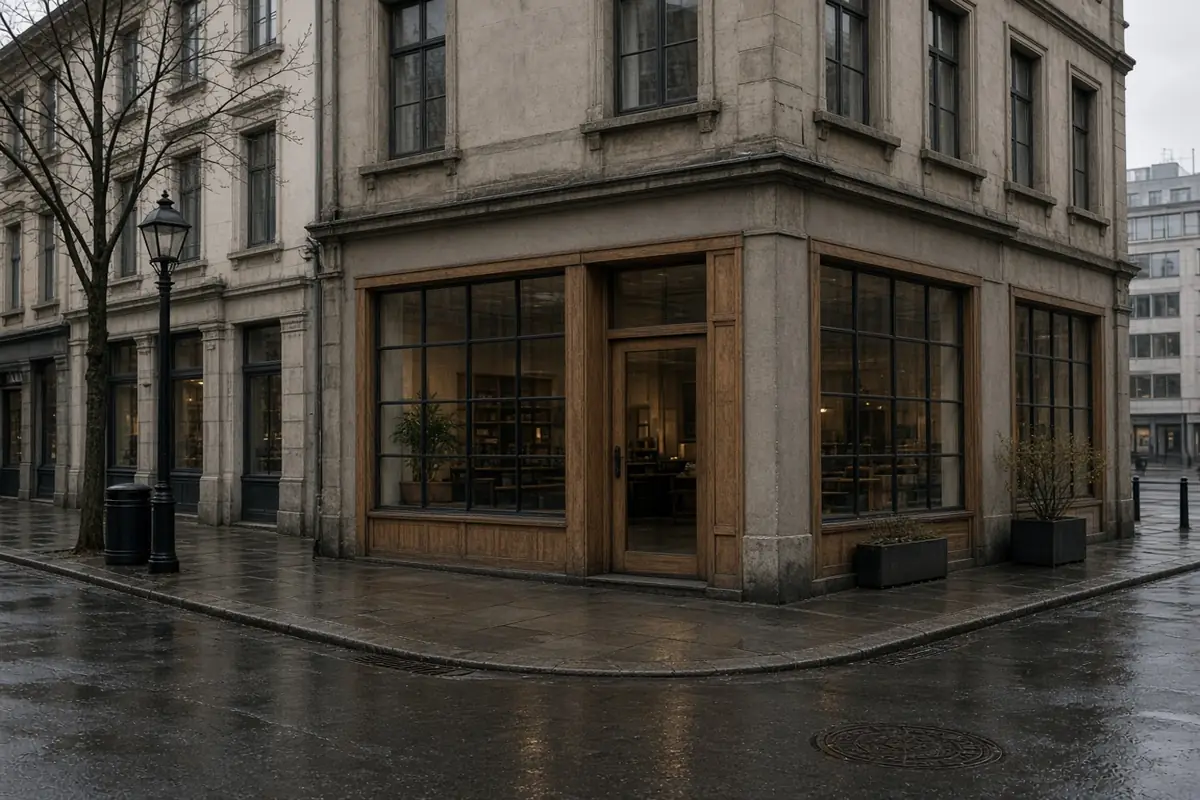
The photograph is a study of shop windows on a stone corner—useful for reading rhythm and materials, not as a stand-in for a named district’s findings.
From method to case study
This edition sets out the reading method. A later piece under neighbourhoods can carry a named block once a designation report is on the desk. Shopfront repair, as distinct from the block narrative, is in Storefront Preservation. A walking route is a different task: How to Plan a Self-Guided Architectural Walking Tour. Inside the shop, circulation and the focal wall sizes the aisle before the display wall, using the 2010 ADA clear-width rules.
Method and sources
Standards page of the National Park Service. Updated October 2026.